Even the most well-maintained pool can fall victim to the inevitable: debris settling on the bottom. Whether it’s fine dust, fallen leaves, pesky twigs, or even the occasional lost toy, accumulated debris not only makes your pool look uninviting but can also harbor algae, strain your filtration system, and even cause long-term damage to your pool surfaces. Achieving a spotless pool floor is essential for both aesthetics and water health. This comprehensive guide will walk you through the most effective methods for tackling that stubborn sediment, ensuring your pool remains a sparkling haven.
Understanding the Enemy: Types of Debris
Before you wage war on the bottom of your pool, it helps to identify your opponent.
- Fine Sediment (Dust, Silt, Pollen): These tiny particles can cloud water and settle as a fine layer on the bottom. They often slip through skimmer baskets and even some filters.
- Organic Matter (Leaves, Twigs, Insects): The most common culprits, these can be lightweight and float initially before becoming waterlogged and sinking. If left to decompose, they can throw off your water chemistry and stain surfaces.
- Heavier Debris (Stones, Small Toys, Hairpins): Less frequent but still problematic, these items can scratch surfaces or clog equipment if not removed.
The First Line of Defense: Manual Tools
Sometimes, the simplest solutions are the most effective. Manual tools give you direct control and are essential for spot-cleaning or for pools without automated systems.
- Telescopic Pole and Leaf Rake/Bag: For larger, more visible debris like leaves and twigs, a deep leaf rake or bag attached to a telescopic pole is your go-to. Gently sweep the rake along the bottom, scooping up the debris. Avoid stirring up the bottom too much, as this will only suspend the particles in the water, making them harder to catch. Work systematically from one end of the pool to the other, or from the shallow end to the deep end.
- Pool Brush: While primarily used for walls and steps, a good quality pool brush can also be used to push fine sediment towards the main drain or into areas where it can be more easily vacuumed. This is particularly useful for stubborn spots or tight corners.
Harnessing Your Pool’s Power: Manual Vacuuming
For a more thorough clean of the pool floor, manual vacuuming is indispensable. This method utilizes your pool’s pump and filter to draw debris directly into your filtration system or to waste.
- Equipment Needed: You’ll need a vacuum head (weighted to stay on the bottom), a vacuum hose (long enough to reach all areas of your pool), and a telescopic pole.
- Connecting to Your Skimmer: Most residential pools connect the vacuum hose to a dedicated vacuum plate in the skimmer, or directly into the skimmer suction port. Ensure all air is purged from the hose before connecting to prevent air locks in your pump.
- Technique: Move the vacuum head slowly and deliberately across the pool floor in overlapping strokes, much like vacuuming a carpet. Avoid jerky movements, which can stir up debris. For very fine dust, you might consider setting your filter valve to “waste” (if your filter allows this) to bypass the filter and send the dirty water directly out of the pool. This prevents clogging your filter but will lower your pool’s water level, requiring replenishment.
- Emptying Baskets and Backwashing: After manual vacuuming, always check and empty your skimmer and pump strainer baskets. If you vacuumed to filter, monitor your filter pressure gauge and backwash or clean your filter as needed, as the debris will quickly load it up.
Automated Solutions: The Future of Floor Cleaning
For ultimate convenience and consistent cleaning, an automated pool cleaner is a significant investment that pays dividends in time saved and a consistently pristine pool floor.
- Suction-Side Cleaners: These are typically the most budget-friendly automated options. They connect to your skimmer or a dedicated suction line and use your pool’s pump to create suction, pulling debris into their internal filter bag or sending it directly to your pool’s filter. They are effective at picking up various types of debris, but their efficiency can be impacted by your pump’s power and they rely on your main filter for the finest particles.
- Pressure-Side Cleaners: These cleaners connect to a dedicated return line or a booster pump. They use water pressure to move around the pool and sweep debris into an attached filter bag. They are excellent at collecting larger debris like leaves and pebbles and typically do not put a strain on your main pool filter, as they have their own collection bag.
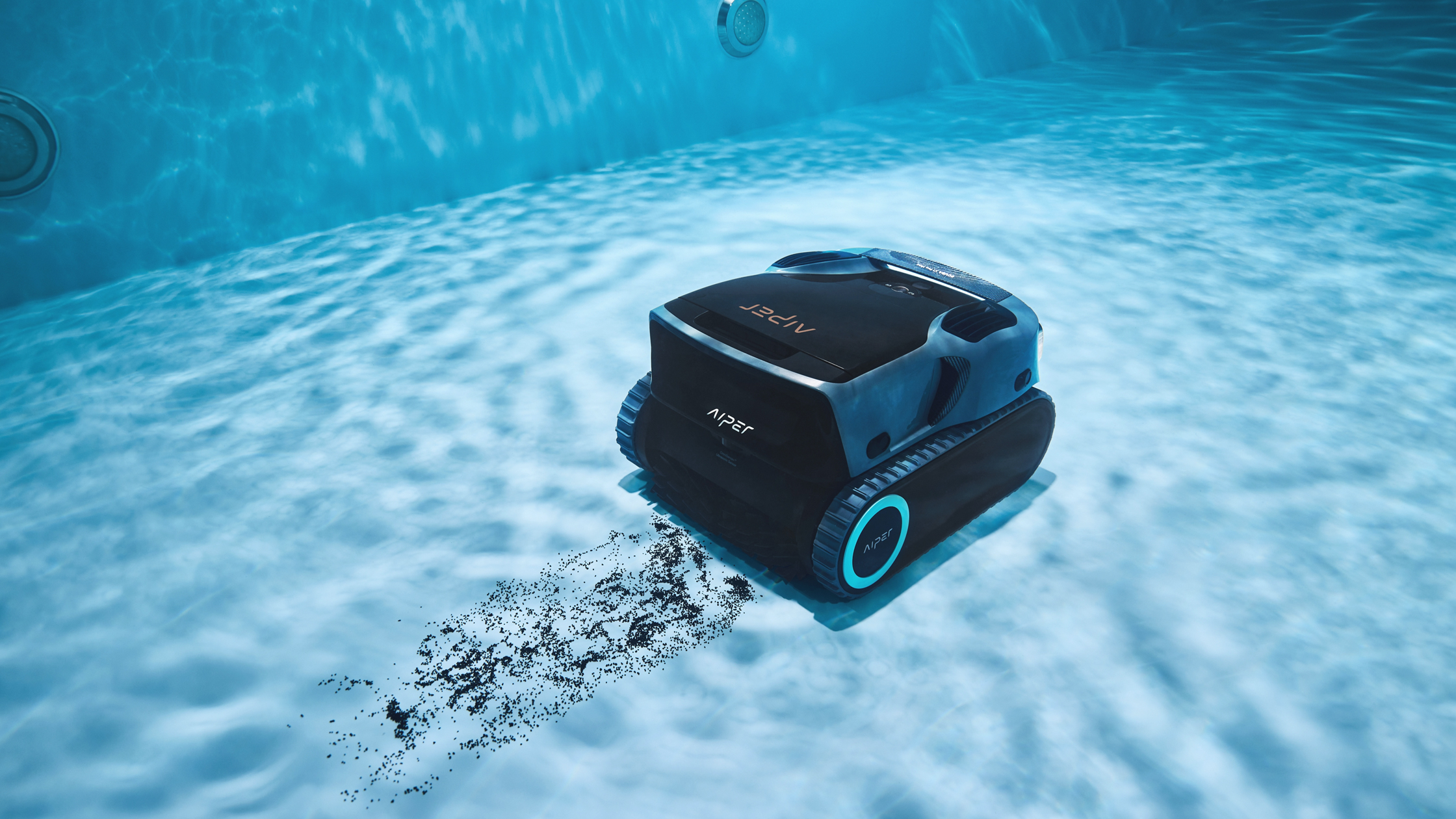
- Robotic Pool Cleaners: Often considered the best pool cleaner for comprehensive floor and wall cleaning, robotic cleaners are independent units. They have their own motor, pump, and internal filter system, meaning they operate without relying on your pool’s circulation system. They are programmed to systematically traverse the pool floor, often climbing walls and scrubbing surfaces as they go. Their fine filtration capabilities make them exceptionally good at picking up even the finest silt and dust, offering a truly hands-free solution for a spotless pool bottom.
Preventative Measures: Keeping the Bottom Clear
Less debris means less work. Implement these strategies to minimize accumulation:
- Regular Skimming: Don’t wait for leaves to sink! Daily skimming of the water surface will catch the majority of floating debris before it becomes a problem at the bottom.
- Pool Cover: A solid or mesh pool cover is highly effective at preventing leaves, dirt, and other airborne debris from entering your pool, drastically reducing the amount of bottom cleaning required.
- Maintain Water Chemistry: Properly balanced water and adequate sanitizer levels prevent algae growth, which often settles as unsightly “dust” on the pool floor.
- Optimize Circulation: Ensure your return jets are angled to create a swirling motion in the pool, pushing debris towards the skimmers and main drain for easier removal.
A clean pool bottom is a hallmark of a well-maintained swimming pool. By combining manual efforts with the strategic use of vacuuming and potentially investing in an automated pool cleaner, you can easily conquer the challenge of settled debris and ensure your backyard oasis is always ready for a refreshing dip.