Video games are meant to entertain. Yet in recent years, many games have borrowed ideas from gambling. Loot boxes, spins, and flashy rewards feel very close to slot machines. For players, this overlap creates joy but also risk. The line between gaming and gambling is no longer clear.
The Rise of Loot Boxes
Loot boxes are virtual crates filled with random rewards. Players buy or earn them in games. You never know what you will get until you open the box. The surprise factor keeps people hooked. Some chase rare items, much like gamblers chase a jackpot.
Why People Love the Thrill
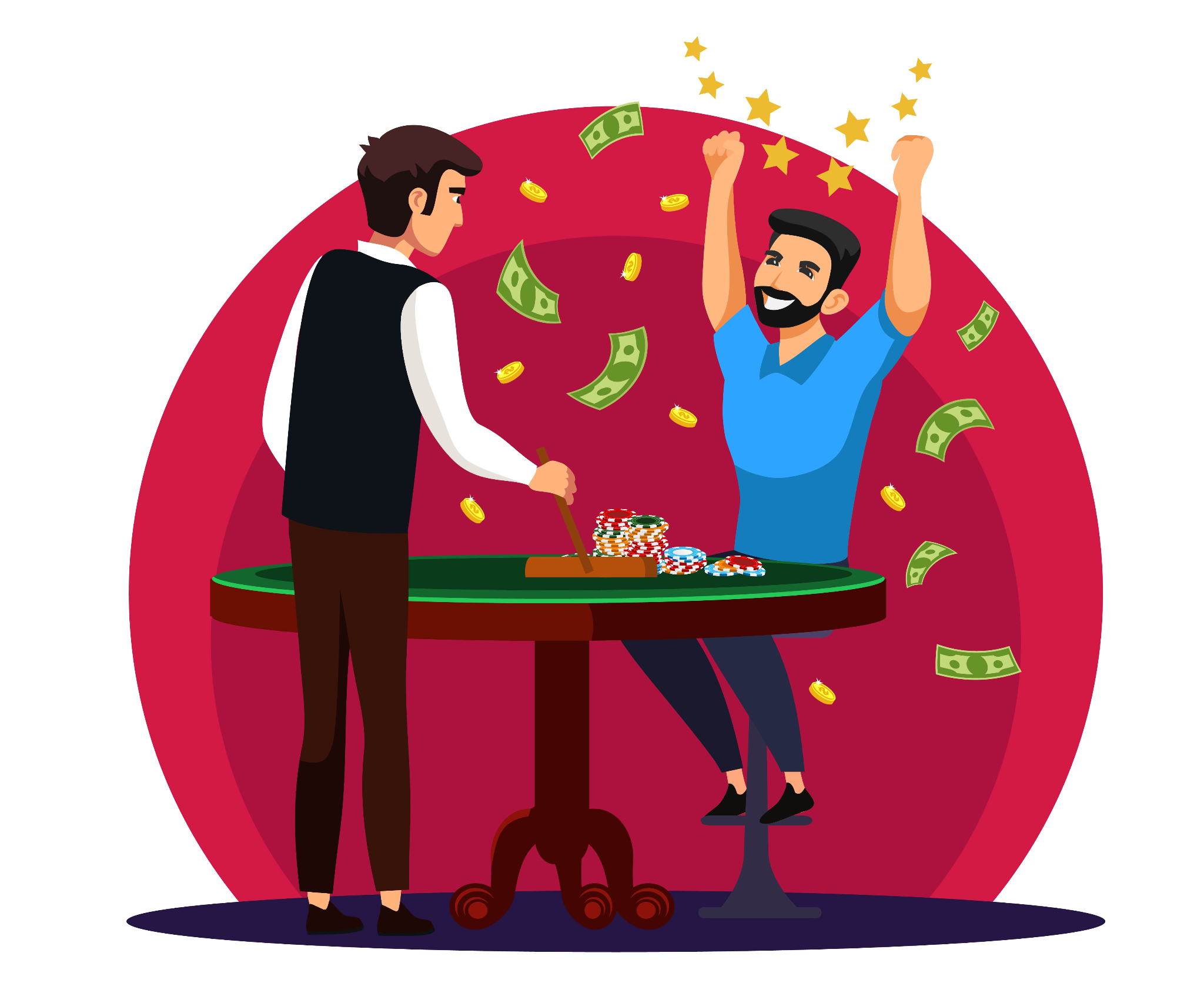
The brain reacts strongly to chance. The mystery of “what’s inside” makes players excited. It feels fun, quick, and rewarding. This thrill is the same that casinos rely on. Bright colors and sound effects build the sense of winning, even when the prize has little real value.
Gaming and Easy Access
With the growth of online gaming, these systems are easier to reach than ever before. Players do not need to visit a casino. Instead, they can spin, click, or open boxes from their phones. This constant access makes it harder for some to step away.
Slots and Digital Twins
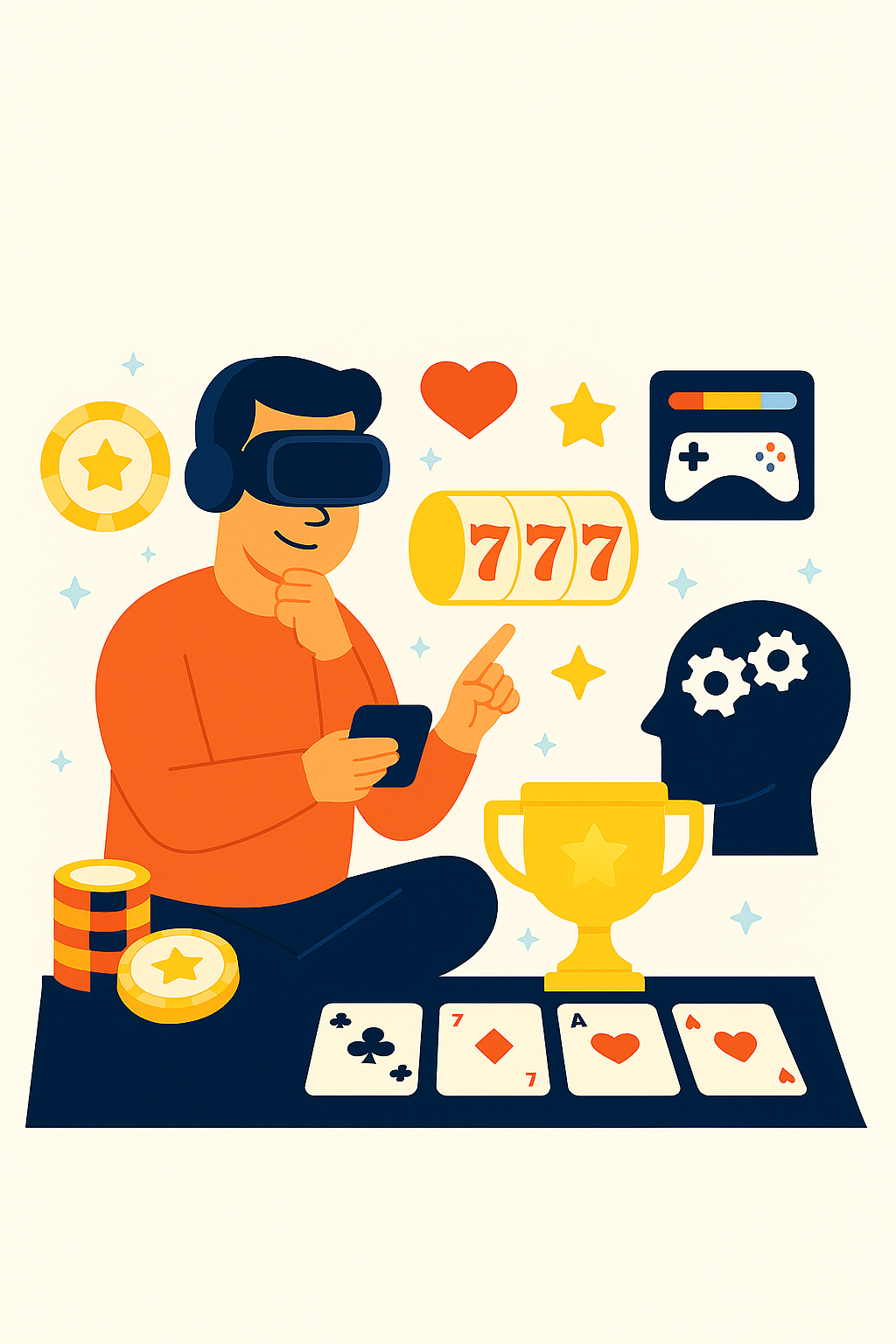
Modern slot machines and video games often look alike. Both use fast rounds, random rewards, and glowing graphics. In both, players risk money or time chasing a win. The design tricks the brain into playing “just one more round.” This overlap makes it hard to tell them apart.
The Real Money Factor
Loot boxes may start as a small purchase. But real money fuels the system. A player might spend a dollar for a chance at a rare weapon. In slots, the dollar buys a chance at cash. The core idea is the same: risk money for an uncertain reward.
Impact on Young Players
Many young players meet gambling-like systems before they are old enough to enter casinos. They learn to enjoy risk and reward cycles at an early age. Critics worry this can make them more open to gambling later in life. Parents and experts raise alarms about this link.
Regulation Around the World
Some countries treat loot boxes as gambling. Belgium and the Netherlands, for example, have banned them in many games. Other nations are still debating the rules. Companies defend loot boxes as part of game design. Governments weigh profit against public health. The debate continues to grow louder.
How Game Companies Respond
Game developers say loot boxes keep games free to play. They argue that no one has to buy them. Still, some games add pressure. Limited-time offers, rare drops, and peer competition push players to spend more. Companies walk a fine line between fun and exploitation.
The Psychology of Risk and Reward
Psychologists note that random rewards create strong habits. Each “maybe win” teaches the brain to keep trying. Even when the prize is not big, the act of chasing feels good. This is why both games and slots keep players coming back. The system rewards the act, not just the prize.
When Fun Turns Risky
For most, opening loot boxes is a harmless thrill. But for some, it becomes a problem. Players may overspend, hide their spending, or chase items they cannot afford. The behavior starts to look like gambling addiction. This risk makes the blurred line a serious concern.
Calls for Safer Play
Advocates suggest limits to protect players. Clear odds, spending caps, and age checks can help. Some games now show drop rates for loot boxes. Others add parental controls. These steps aim to balance fun with responsibility. Yet critics say more is needed.
Looking at the Future
The future of games and gambling may become even more tied. Virtual casinos, digital tokens, and mixed systems are already in development. As technology grows, the overlap will grow too. The question remains: how can we enjoy games while staying safe?
Conclusion
Loot boxes, spins, and slots share more than meets the eye. Both rely on surprise, reward, and the thrill of chance. Both can bring fun, but both can also lead to harm. The blurred line between gaming and gambling calls for careful thought. Players, parents, and lawmakers must work together. With balance, games can stay fun without falling into the same traps as gambling.